Insights

Cars

Should cars be banned from cities?

  • Brian Caulfield

    Brian Caulfield

    Professor in transportation and Head of Department at Trinity College Dublin, Expert to the National Transport Authorithy (Ireland)
20 February 2024

I believe that, in tomorrow’s world, cars will have retreated from our cities.
 

Concerned about air pollution and the rising costs of car ownership, the younger generation will catalyze this change.

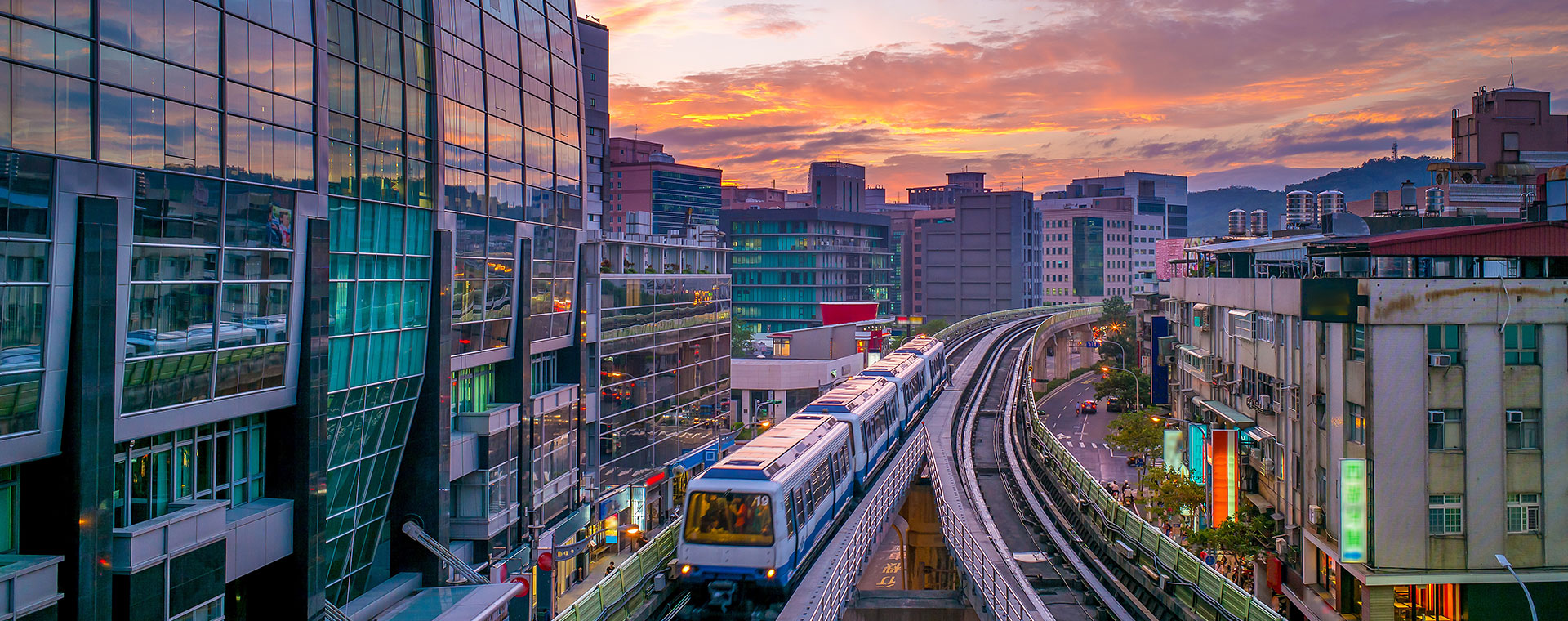
To push cars out of cities, we will require more public transportation services. In places with advanced metro systems, there’s only so much tunneling you can do without addressing transportation needs above ground, such as buses or trams.

Private vehicles will certainly continue to pervade rural life; and that's where shared electric autonomous vehicles can play a role. Although driverless vehicles have become a hot topic, I believe that we should focus more on ride-sharing rather than autonomous technology.

The future of mobility doesn’t — and shouldn’t — depend on futuristic tech solutions such as flying cars. Although technology will play a part in changing the way we move in cities, it’s only part of the bigger picture. As we tend to emphasize and amplify the benefits of new car technologies, I believe that our main focus should be on improving our already-existing basic services. We must channel our energy into enhancing our public transit networks to make them safer and more reliable.

Considering the finite spaces in cities, coupled with the effects of climate change, we will need more urban areas that can cool people down. As our cities and populations continue to grow, space will become a premium. Our main challenge is not the lack of public transportation;, but rather the lack of space.

Once we phase out cars and optimize our transportation networks, we will be able to redesign our cities with cleaner, healthier air. Cities where our children and grandchildren will wonder why we ever drove polluting cars in the first place.

Interview

Design

Do citizens have a say in what their cities look like ?

  • Boutaïna Araki

    Boutaïna Araki

    President of Clear Channel France

20 February 2024

In this video clip, Boutaïna Araki, President of Clear Channel France, talks about the importance of planning in urban mobility issues.

Outdoor advertising is a street medium that is very much involved in the city and its mobility. Through street furniture, we've always been a key player in the way mobility is organized in the city. This will be even more true tomorrow, as we have a role to play in the evolution of this mobility and in the world of tomorrow. For me, there are 2 essential aspects:

  • The importance of design, which consists in creating a comfortable and functional space, offering various services that make citizens feel included and welcomed in the city.
  • The importance of how this design, serving as an advertising medium as well as a source of information and content, can become a unifying element, forming a community.


This is the role that outdoor advertising and communication can play in the evolution of the city in relation to the evolution of mobility.

Insights

Design

Urban design and the mobility of tomorrow: do citizens have a say in what their cities look like?

  • Lior Steinberg

    Lior Steinberg

    Urban planner and co-founder of Humankind (Agency for Urban Change)

20 February 2024

When working in the public space, decisions that may appear minor can have unintended consequences, substantially affecting stakeholders across a range of criteria. A good example is the modest bike lane.

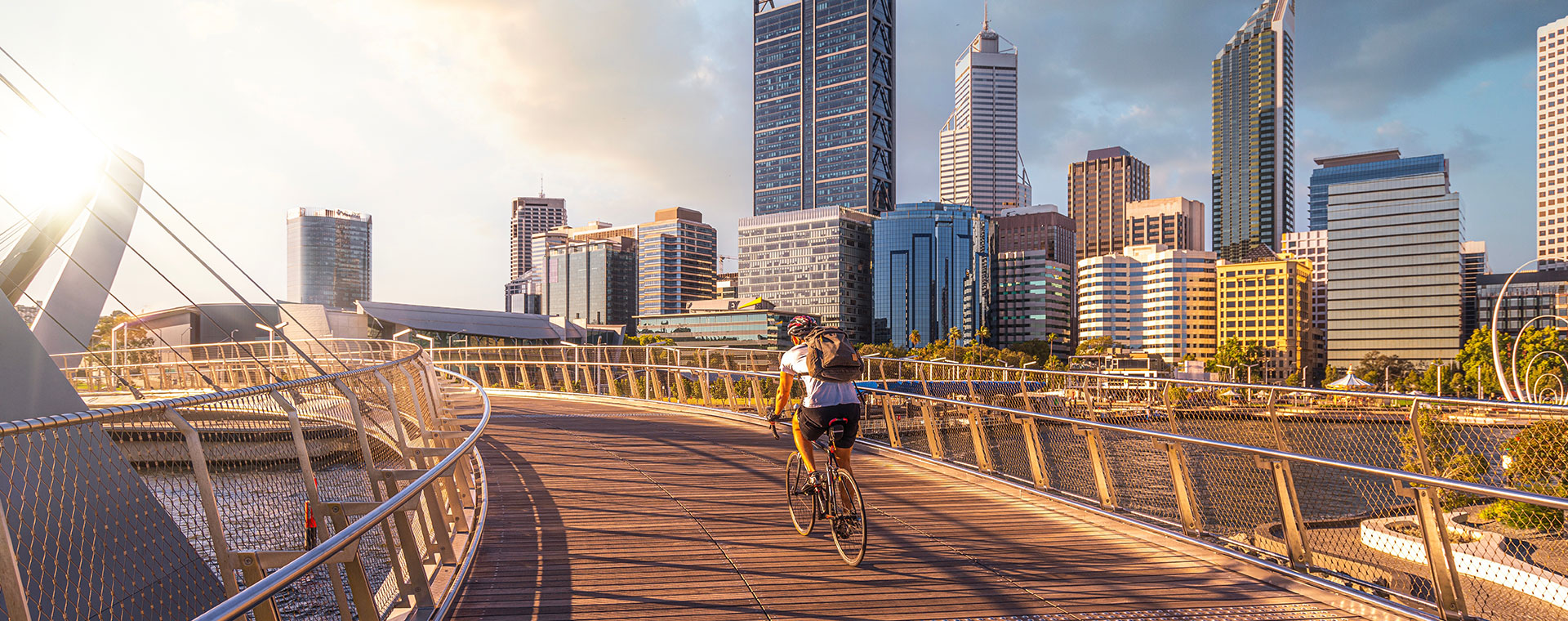
One would think that installing a bike lane would be a quick and easy way to increase mobility. After all, it merely entails laying some asphalt, and putting down paint.
However, this is deceptively simple. It does not take into account the resistance of neighbors against the removal of parking spaces, or their common — yet irrational — fear that car users will take different routes and create congestion elsewhere.

Municipalities need to better explain to their residents that any one bike lane is meant to be part of a larger network. Such network capacities need to be strengthened, communicated, and relayed to the community. It’s important to properly communicate and explain the dynamics of this ecosystem approach to gain acceptance from residents.

Insights

Design

Mobility of tomorrow and urban design: do citizens have a say in what their cities look like?

  • Edith Maruéjouls

    Edith Maruéjouls

    Founder of L'ARObE

20 February 2024

A city that adopts an inclusive approach to urban planning is one that rethinks the status of women and the gendered nature of public spaces.

Women are commonly relegated to private or “indoor” spaces, such as schools or community centers. They are not fully included in public or “outside” spaces, where citizenship and freedom are molded.

When it comes to mobility, the transportation sector needs to make women's needs visible. Many women commute everyday with their children on transportation networks that are not adapted to their needs. For example, these transit systems do not accommodate the needs of pregnant women or mothers with strollers.

To rethink the needs of women within the urban sphere, we need to deconstruct our existing spaces to integrate the needs of women and marginalized communities, including people with disabilities or obesity. We need to design public spaces that embrace the feminine and speak out about the reality of violence against women to help women conquer the “outside” world.

To guarantee inclusivity, urban strategies must take into consideration the needs of women — who are the vectors of human diversity — as well as promote intergenerational bonds and address the issue of sociability.

By comprehensively considering these issues, we can build spaces where each and everyone can reaffirm their right to the city and their right to be "outside.”

Interview

Design

In transportation planning, should cities be our top priority?

  • Zeina Nazer

    Zeina Nazer

    Co-founder of Cities Forum, and Vice Chair of ITS UK Road User Charging Forum

20 February 2024

In this video, Zeina Nazer, co-founder of Cities Forum and Vice-President of ITS UK Road User Charging Forum, explains why cities must be at the heart of our concerns.

Over 70% of the world's population lives in cities, and this proportion is growing all the time. Cities are fortunate in that they have access to public transport and a variety of means of getting around. Unfortunately, this is not always the case in less developed neighborhoods or cities. This is an impediment to economic activity: people need to be able to get around to get to work or school. By helping them, we're helping the vast majority.

With that, we have to take into account everything else, because we also have to think about less developed cities, small neighborhoods where people need access to transport.

Interview

Design

How can individuals improve their urban environment?

  • Zeina Nazer

    Zeina Nazer

    Co-founder of Cities Forum, and Vice Chair of ITS UK Road User Charging Forum

20 February 2024

Zeina Nazer, co-founder of Cities Forum and Vice-President of ITS UK Road User Charging Forum, explains how to improve our urban environment.

The message is that we need to take care of our city: we need to reduce damage, like driving our personal cars less, helping each other, thinking of our communities and neighbors. We can do a lot together, and we can save the world by taking care of our city and each other.

It's easy to walk 20 minutes instead of driving or taking a cab. So there are many ways to save our cities: we need to think about how to reduce emissions and avoid all the damage caused by our cars. It's by thinking about all this that we can help our cities.

Interview

Design

How can we reinvent mobility?

  • Arnaud  Passalacqua

    Arnaud Passalacqua

    Professor at the Paris School of Urban Planning

20 February 2024

Reinventing mobility: Arnaud Passalacqua, Professor at the Paris School of Urban Planning, shares his ideas.


How can we reinvent mobility ?

You can't think about mobility for its own sake. You have to think in terms of what people need, in terms of accessibility. That's why it's an important sector to work on.


How can cities adapt to the climate crisis ?

The industrial city is a city of networks: those built in the 19th century, such as gas, lighting and water networks. Then came mobility networks: the horse-drawn carriage, then public transport, and finally the car, which found its place and built its own networks. The crisis we're experiencing is that of the industrial city as a city of networks. Working on the relationship to mobility is one way of reinventing mobility.


Can mobility be part of the solution ?

The car is not entirely responsible for everything. It has made it possible to share the fruits of growth. It's not a question of demonizing objects, just of recognizing what we've built. Today, our urban model is outdated, and there's a strong need for a paradigm shift. We need to find a new urban model by improving spatial planning, and we need to reinvent it collectively.

Interview

Design

How does architecture interact with mobility in our cities?

  • Madeleine Masse

    Madeleine Masse

    Founder & President of Atelier Soil

20 February 2024

In this video, Madeleine Masse, Founder and President of Atelier Soil, explains the relationship between architecture and mobility.


How do our cities weave a relationship between architecture and mobility?

Architecture and mobility are linked, especially when it comes to designing public spaces. As an architect and urban planner, I've done a lot of work on spaces around stations and intermodal spaces. The design of mobility spaces is often overlooked. It's not just a landscape project or a material or spatial project. We really need to integrate all these notions of intermodality, connection and transfer to another mode. For me, these issues are totally embedded in the design of public spaces or outdoor spaces.


How can urban design make public transport a priority for the city of tomorrow?

It's not complicated, but you have to make choices. Sometimes, it takes courage, and you have to choose to give priority to certain modes. You have to choose to give space back to pedestrians and public transport. It's true that cars have taken up a lot of space in cities over the last few decades, but we do have space, even if it's limited: it's our heritage, and we have to deal with it. It's precisely the role of architects to come and try to find priorities and subterfuges so that all modes of transport can be accommodated in urban space.