Present in 19 countries

We need a level playing field, now: A mobility insider urges fast action


Aitor Galarza tells the Mobility Times that the EU needs to enforce global competition rules before it’s too late for its mobility industry
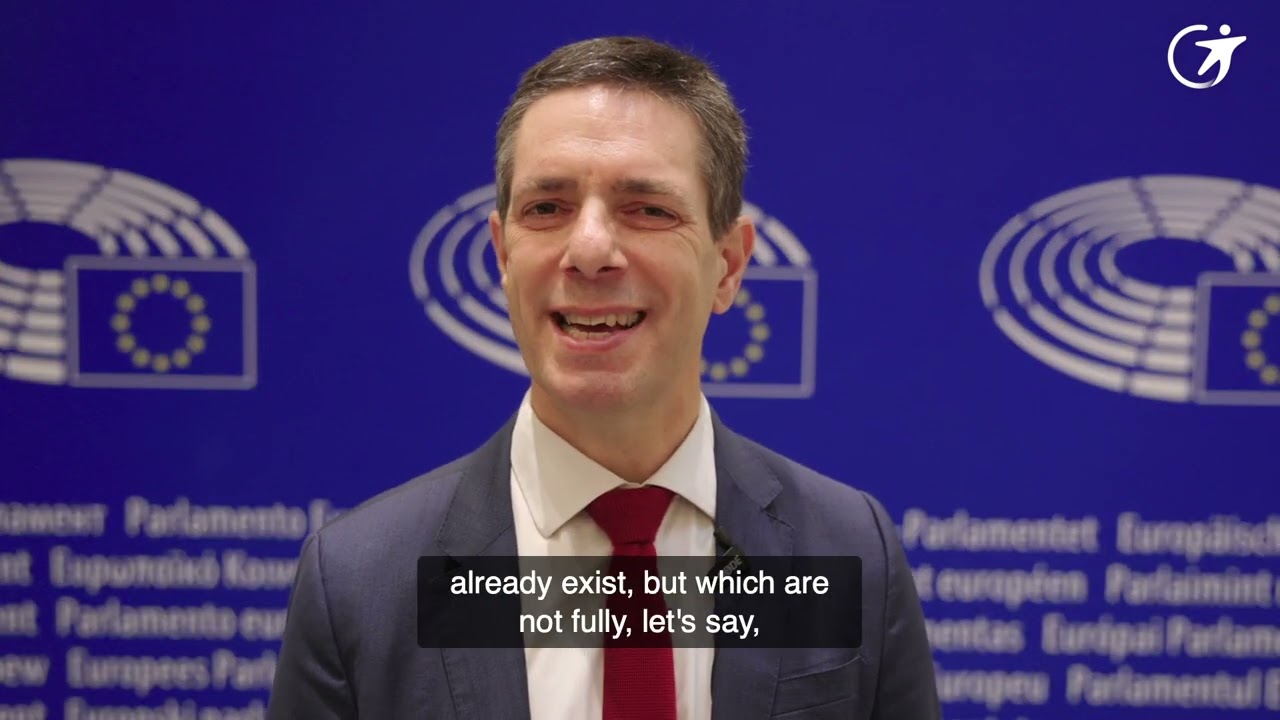
0:00 Let’s ensure fair competition not only in Europe, but across all markets worldwide. 0:12 In some countries, particularly when it comes to public procurement, very little is purchased from European suppliers. 0:20 One solution would be to help European industry continue to grow by making better use of the instruments that already exist, but which are not yet fully enforced or fully operational. 0:29 Initiatives such as the Industrial Accelerator Act could play a major role by introducing the concept of European content into legislation. 0:36 This would ensure that European content requirements are respected, regardless of the final purchasing decision. 0:45 Ultimately, the key is to enforce the rules and instruments that already exist.
Aitor Galarza has no problem with competition. In fact the industry insider, serving as Strategy and Finance Director at CAF Group/Solaris, positively welcomes it.
What he does have a problem with is that Europeans appear to be playing by different rules from the rest of the world – including China and the United States.
“We welcome open competition—it drives investment, deployment, and innovation. However, we are not competing on a level playing field, as the conditions, rules, and specifications are not the same for everyone” Galarza told the Mobility Times in an interview on the sidelines of the Mobility Sphere conference in Brussels in May 2026.
Galarza speaks from inside the industry: as a senior executive involved in production planning, finance and strategy for a European rolling‑stock and bus manufacturer.
Is the glass half full or half empty? "We have a kind of mixed situation with good elements and bad elements," Galarza responded.
"A good element is that the transition to EVs, at least in our bus industry, is a clear example of a rapid transition towards electric mobility. Almost 60% of the buses delivered last year for European city services were already electric, so the industry is moving very fast. And European suppliers are aiming for the most high-end, high-tech and best-performance buses that we can supply.”
At the same time, European manufacturers comply with regulators' requirements concerning environmental aspects, social aspects and respect to human rights, not just in their own factories but in their supply chains, countries of origin and sub-contractors, he pointed out.
"The bad issue is that, little by little – and sometimes not so little – foreign companies are taking over market share from European companies”, especially competitors from China.
"This would be OK if we were talking about open competition. But these companies don't follow all the requirements relating to environmental issues and human rights. The major element they use to penetrate the market is price.”
What’s the answer? Galarza rejects full-on protectionism, such as closing off the European market. “That’s not the solution,” he said.
Instead, the way forward would be “to help the European industry grow by using elements which already exist but which are not fully enforced”. One such tool is the foreign subsidies regulation, designed to remove from European bid processes companies from outside the Union which have received subsidies in excess of what we understand as European state aid, Galarza said. “We need to enforce what already exists.”
Better use of EU instruments, which also include public procurement rules and the Industrial Accelerator Act, would give the industry increased visibility on how to shape their investment decisions in the runup to climate transition target dates.
As for supply capacity by the European industry, “As private companies, when we invest, we expect a return on capital. But we don’t know what the demand curve is going to be. For example, 2035 is the last year to buy an internal combustion vehicle in the Union. But what exactly happens in the meantime? Where is the definition for the transition period? How do rules evolve? We don’t have that clarity.”
Galarza said “there is no real reason” why the European clean mobility industry should fail to meet demand over the next decade. But the playing field has to be levelled quickly, he urged. "Decisions have to be taken today, they have to be put in place tomorrow, and then maybe we can save the industry that we already have in Europe,” he said.
“But if it takes 10 more years of discussion and five more years of implementation, then it’s game over. That’s my main message to politicians.”
Eco-friendly website
Latest page modification date :
B
This page is times lighter than average
Emissions from this page
Estimated calculation per visit
0.12
in grams
of CO2 equivalent
of CO2 equivalent